Catalogue of the Manufacture française d’armes et cycles de Saint-Etienne, 1906 (gallica.bnf.fr / Bibliothèque Nationale de France)
Team
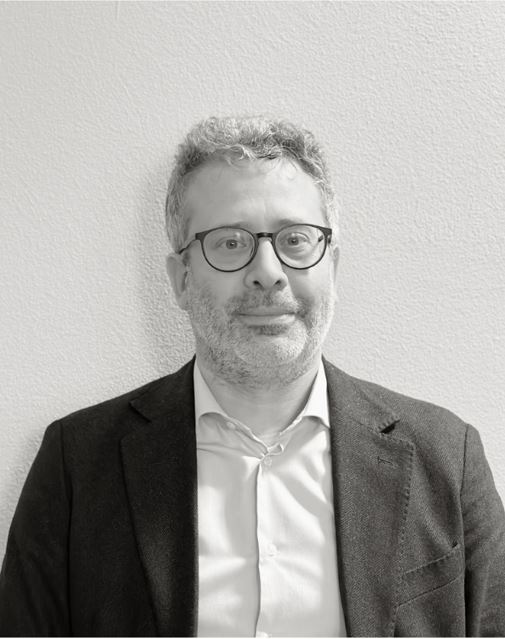
Matteo Millan
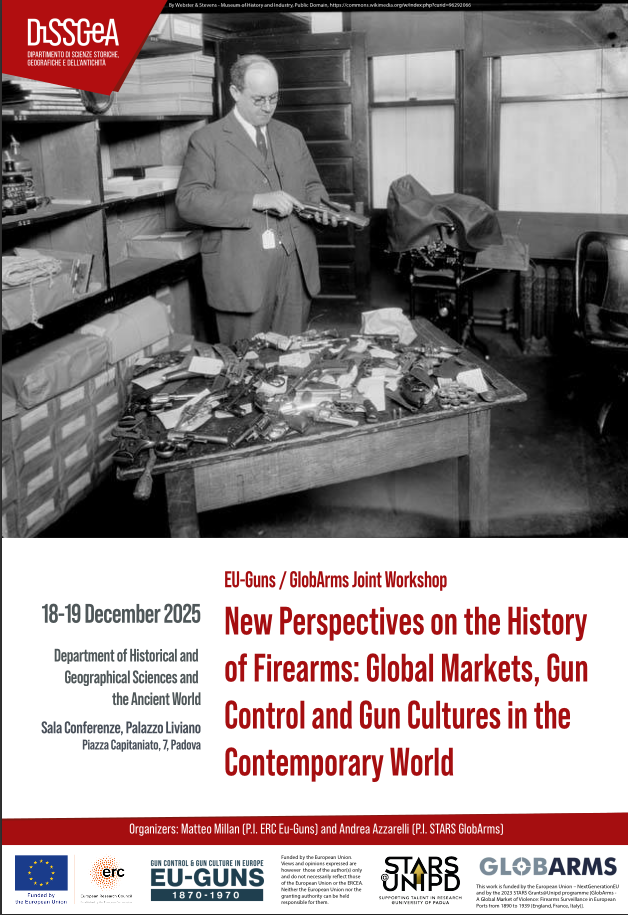
Has held research positions at the universities of Oxford and Dublin and has received two ERC grants. He is the author of two books (with a third forthcoming from Cambridge University Press) and has published several articles in leading journals. While he was initially interested in fascism and political violence, his recent research has been characterised by a fascination with the complex relationship between violence and democratisation processes. He also enjoys playing with geography and chronologies, investigating significant historiographical topics in places and times where they were supposedly absent. EU-GUNS reflects these approaches by exploring the historical reasons for the significant differences between the U.S. and Europe regarding the individual use and possession of guns, and more broadly, the social, cultural and political role of small firearms in shaping European societies.
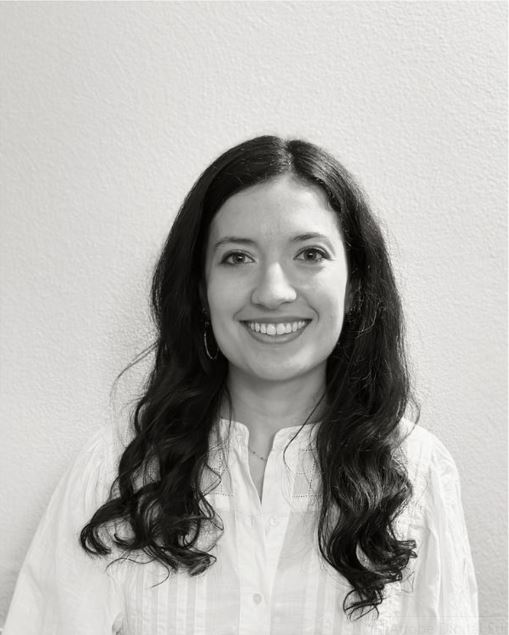
Roxane Bonnardel Mira
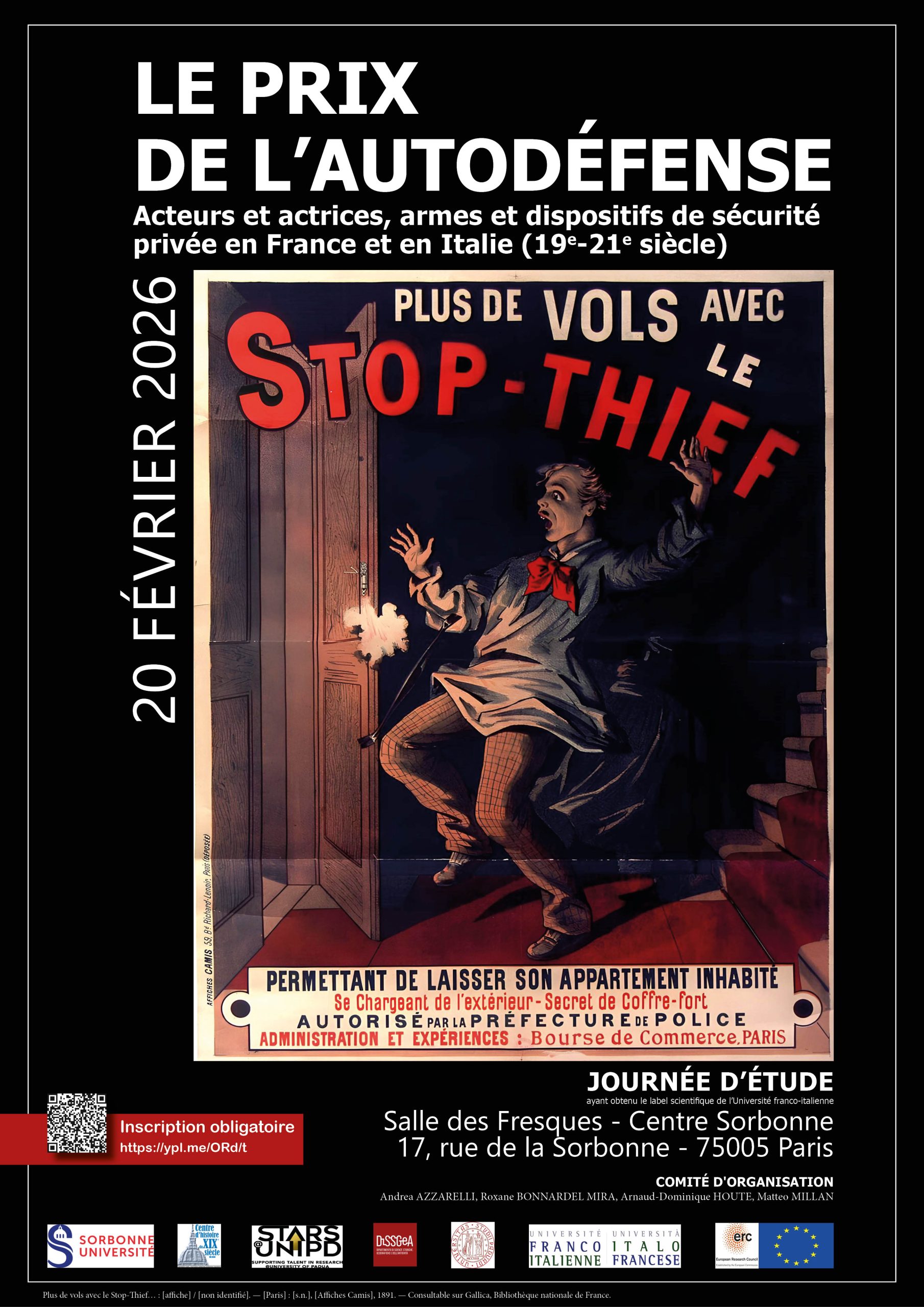
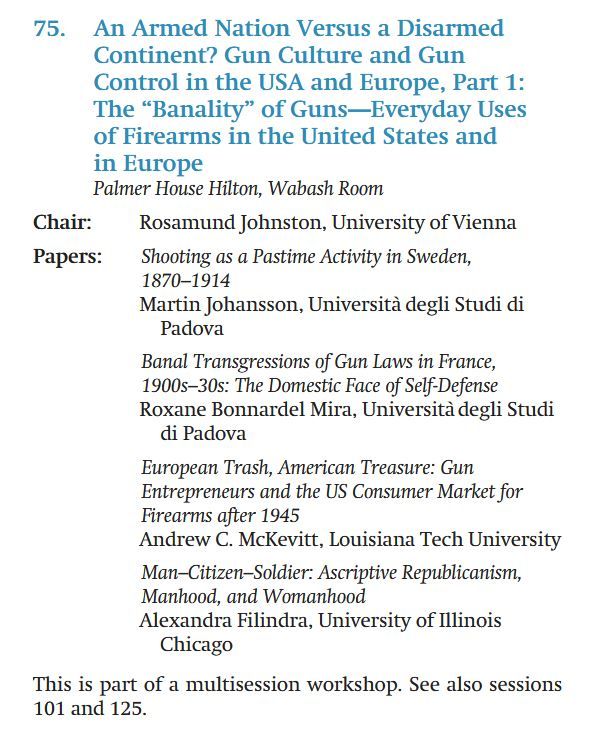
is a graduate of Paris 1 Panthéon-Sorbonne and University of Tours (France), where she obtained her PhD. Her research interests include state-building processes, mobility control regimes and the cultural origins of insecurity perceptions. Her doctoral thesis focused on the administrative illegalisation of so-called “undesirable” foreigners in Paris between the 1880s and the 1920s. Among others, she has published in Sociétés et représentations (2022), Histoire urbaine and Crime, History & Societies (2024) and was awarded the 2023 Herman Diederiks Prize. As a member of the EU-GUNS ERC project, she has delved in the social and cultural history of gun control interactions and examined how cultural representations distinguished honourable gun owners from dangerous individuals to be disarmed. She also analyses the glamourisation of armed self-defence and the definition of firearms-related risks, both in public and private spheres.
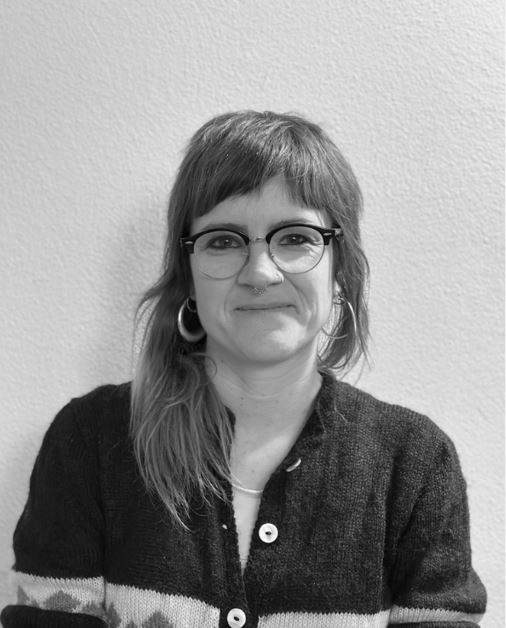
Assumpta Castillo Cañiz
Earned her PhD from the Università degli Studi di Padova in 2021 with a dissertation on political violence and armed associations in pre-World War I Europe, as part of the ERC project “The Dark Side of the Belle Époque”. She has held postdoctoral fellowships in Padua and at the University of Girona, where she has worked on projects dealing with state monopolies on violence and the political crises of interwar Europe. In 2025, she joined the ERC-funded project EU-GUNS to work on the Spanish case study. Her research explores the intersections between political violence, authoritarian cultures and gun control from the late nineteenth to the mid-twentieth century. She has published in high-impact journals and edited volumes, coordinated special issues and taught courses in contemporary military history. She combines academic work with public engagement and historical dissemination..
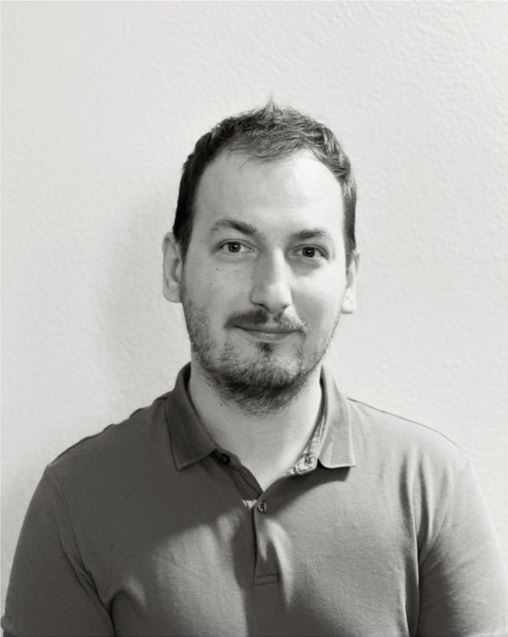
Mathias Foit
Is a graduate of the University of Wrocław, Poland, and the Free University of Berlin, where he defended his doctoral thesis. His first book, Queer Urbanisms in Wilhelmine and Weimar Germany: Of Towns and Villages (2023), charts a previously undiscovered world of queer social, political and cultural life in the easternmost provinces of the German Reich. His other research interests include gender history, nationalism and animal studies. He is also engaged in cultural projects relating to local and regional queer histories in Central-East Europe. In the EU-GUNS project, he is exploring such themes as gun licencing, firearm suicide, hunting (especially its relation to the animal protection movement of the era) as well as the short- and long-term effects of the post-First-World-War politics of disarmament on the German gun culture.
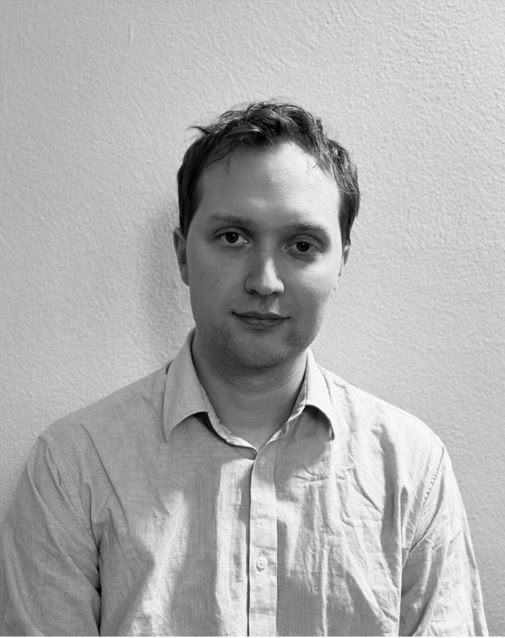
Martin Johansson
is a post-doctoral researcher currently active within the EU-GUNS project. Born and raised in Stockholm, he studied history at the universities of Uppsala, Edinburgh and Gothenburg before obtaining his PhD degree at Södertörn University in 2023 with a thesis on media images of Nordic neighbouring countries at the Winter Olympics. As a post-doctoral researcher, he has worked on the challenges of Nordic integration and on approaches to war and violence in Sweden and Britain during the Biafra crisis. In researching the case of gun culture and gun control in Sweden, he aims to leverage his interest in analysing leisure, sports, geography and violent conflict to produce new and exciting research.

Anna Moro
Is a PhD student in History at the University of Padua. She holds a Master’s degree in Historical Sciences from the same university, where she completed a comparative thesis entitled Youth in Arms in Pre-War Europe: Militarised Youth Associations in Italy and France between 1861 and 1914 (AY 2022/2023). Her research focused on the role of militarised youth organisations in the decades leading up to the First World War in Italy and France. As part of the ERC EU-GUNS project, Anna investigates the legal and social dimensions of gun ownership in Britain, with particular attention to women and youth. Her work explores how the use of firearms – including toy guns – by young people and women shaped public debates around gun regulation in the United Kingdom.

Lorenzo Pera
is a graduate of the University of Pisa and the universities of Firenze and Siena, where he obtained his PhD. His research interests focus on the history of fascism and the Second World War, with particular attention to the cultures and practices of fascist violence. More recently, he has worked on bourgeois armed mobilisation and shared monopoly of violence in Italy, especially in connection with the emergence and development of private security agencies in the late nineteenth and early twentieth centuries.
As a member of the EU-GUNS project, he is exploring the implications of technological innovation for both gun culture in general and the gradual adaptation of gun control policies introduced by Italian governments. In this context, he also aims to investigate the evolving definitions of self-defence practices as well as the legal and cultural framework of legitimate defence. This will allow him to reflect on the perceptions of insecurity among propertied and bourgeois classes facing the uncertainties brought about by the processes of capitalist modernisation.

Beatrice Bezzon
Is an administrative project officer at the University of Padua, where she oversees the financial and administrative management of EU-funded research projects, including the EU-GUNS project. She holds a Master’s degree in Conference Interpreting and Specialized Translation from the University of Trieste and previously worked as a freelance interpreter and translator. In her free time, she brings her creativity to the stage as a musical theatre performer in local productions.